Squishy Toy Sample Approval Checklist
Before you approve a squishy toy sample, confirm which features the factory should reproduce in bulk. Start with the exact sample version, then check the toy in your hand and in its retail pack. Record which details are approved and which still need a revised sample.
Content lead · Siying Wang · Updated
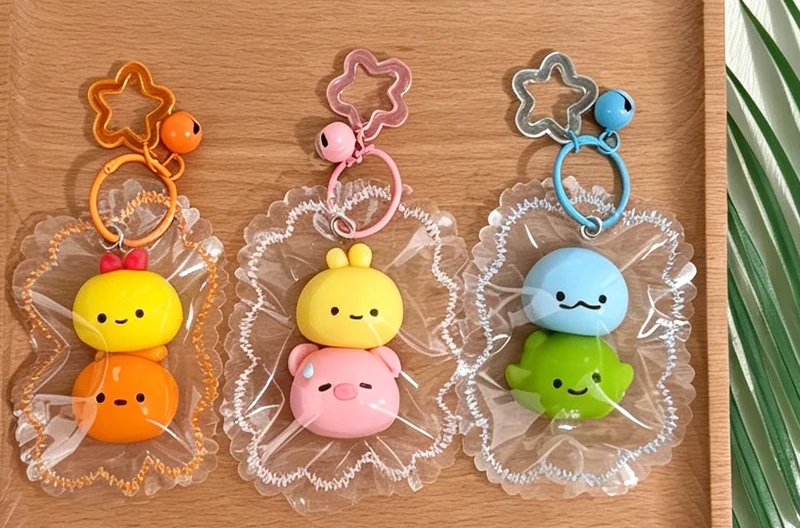
Identify the sample before reviewing it
Ask which version is on your desk and what you are being asked to approve. An early shape sample can settle the silhouette and expression. For production sign-off, ask for a sample that represents the agreed material, finish, fittings and retail pack. If an early sample uses a substitute material or temporary packaging, record which decisions carry forward to the next round. Happy Worker’s toy prototyping and approval process
Put the SKU, color and sample version in the same photo as the toy, then keep the front, side and back views together. Check each color variant that matters to the order, especially if its finish or decoration differs. This makes it easier to match the sample to the next quotation or revision.
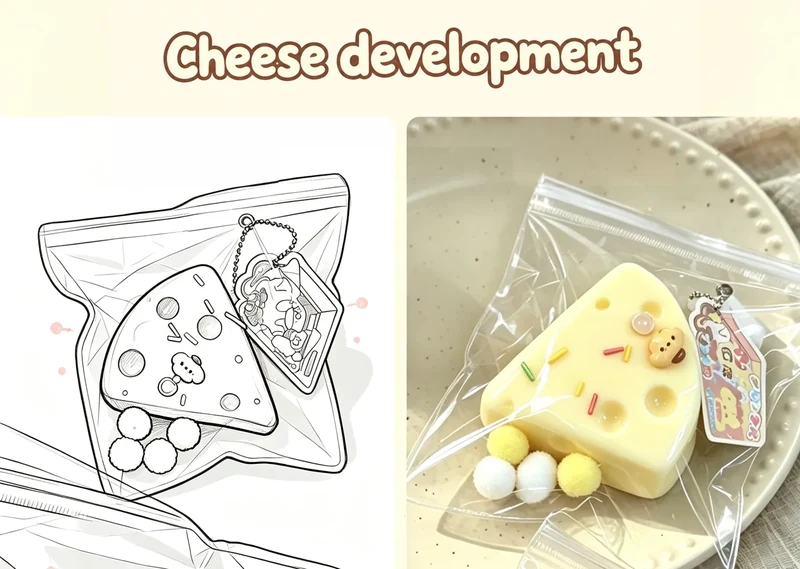
Compare the shape and squeeze with your reference
Measure the relaxed sample at the points that matter, such as the widest part of the body or the full height including a charm fitting. Check the outline against the drawing, then compare color and print under the same lighting. Mark where an expression, print or fitting should move and indicate how far.
Squeeze the sample the way customers will use it. If it is meant to be squeezed in a pouch, leave it in the pouch for the comparison. Press the reference and the new sample at the same spot, then release both and watch how each returns. Write down the difference in resistance, recovery and surface feel. A short side-by-side video gives the factory more to work with than “make it softer.” Squishy toy types and how they feel
For filled toys, look at the seam and filling port before and after normal handling. Check for residue or escaping fill, and look for loose fittings or a finish that rubs off. Agree the production inspection and any market-specific testing separately. Ruiwo Toys’ squishy sample checks
Try the toy in the actual retail pack
Pack the sample in its intended bag, box or tray. Make sure the closure works, the toy keeps its shape, and a charm or thin detail has room. Open the pack as a shopper would. For a hanging pack, try it on a peg. For a gift set, check the contents and whether each piece stays in its compartment.
Match the physical pack to the artwork revision. Check the printed SKU, placement of labels and barcode, and scan the finished retail unit if your channel uses a barcode. If the artwork changes after the toy is approved, record the pack as a separate item for reapproval. How to write the retail packaging brief
Send a sign-off the factory can act on
Use the same written record on both sides. Name the style, color, sample version, artwork version and date. List what can go forward, what must change and what you need to see again. Once both sides approve the final version, keep it as the reference for production and inspection.
Example approval note. “Pink donut, sample S02. Shape, color and squeeze approved. Header card A03 needs the barcode moved away from the fold. Please send a packed sample with the revised card for a scan check. Packaging sign-off is pending.”

Content lead
Siying Wang
北京相变点科技有限公司
Lead of the 跃迁计划 factory export project.