What Are Squishy Toys? Types and How They’re Made
A squishy toy is a soft toy that changes shape when you press it by hand. A pastel donut might seem to melt under a fingertip, while a clear cube might push back against your palm. The shape gives you something to recognize. The surface, the pressure it takes to squeeze, and what the toy does when you let go give each design its feel.
Content lead · Siying Wang · Updated
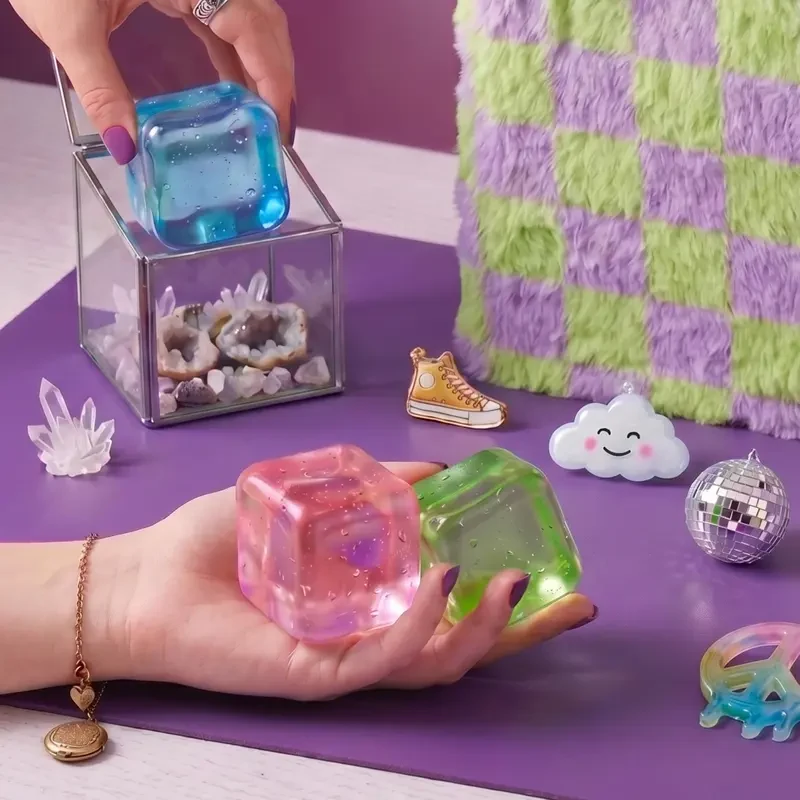
Three things describe a squishy. How you use it could mean squeezing through a clear pouch or holding the toy itself. How it is sold could mean an individual pack or a boxed gift set. How it is built could mean a solid molded body or a soft shell around a filling. A maltose-filled cube, for instance, can be designed for direct handling and sold as part of a boxed set.
Bagged squishies you squeeze through the pouch
Some soft, tacky squishies are designed to be pressed through a separate clear pouch. You feel the toy give through the film while keeping dust and lint off its surface. TABASQUISHY describes the pouch as part of the play experience for its tacky silicone designs. Other clear bags are retail wraps meant to be opened. A printed header card can make either product look ready for a peg display, so the use instructions matter more than the look of the pack. TABASQUISHY’s guide to in-bag play · Hao squash bag and header-card examples
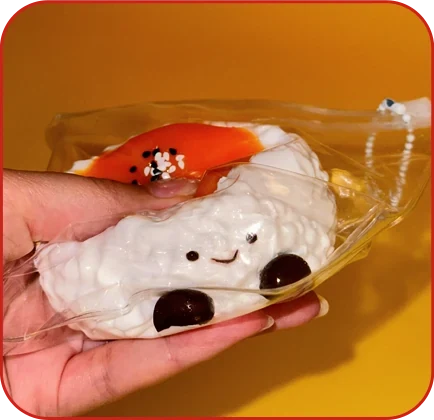
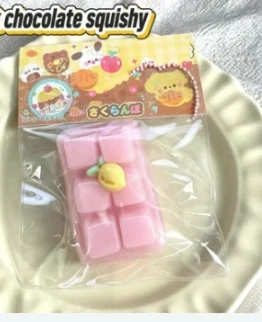
How they’re made. The maker forms and finishes the squishy before placing it in a separate film pouch. Film and closure are chosen for the finished pack. For an in-bag design, the pouch needs room for the toy to flatten and spread under pressure. Squeeze the packed sample to see whether the film flexes easily and the seams stay closed. Squishy Toy Bulk’s individual packaging guide
Boxed squishies and gift sets
A gift box can make one novelty shape feel like a small present or turn several pieces into a themed set. A bakery assortment, for instance, can give each miniature its own compartment so the arrangement is visible when the lid opens. A countertop display box serves a different job. It holds products for shoppers to buy individually. A comparable bakery theme can work in either format. Hao squash boxed sets and countertop displays
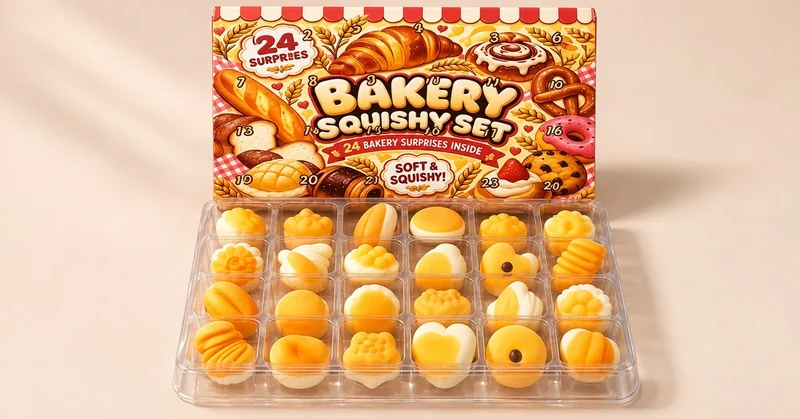
How they’re made. The toys are made separately. For a printed folding carton, the packaging maker lays out the panels and folds around the product dimensions, prints the paperboard, then die-cuts and creases it. The carton is folded and secured, and the finished toys are placed into it, with a tray or dividers where the layout calls for them. The packed sample shows whether the pieces stay in place without the lid pressing on them. Netpak’s folding carton production guide
Squishies you squeeze directly
With a direct-hold squishy, your fingers touch the molded surface or the toy’s own flexible skin. You can feel details such as the dimples on a cheese wedge or the drag of a matte finish. It can sit loose in a tray or come in a retail wrapper that you remove before squeezing.
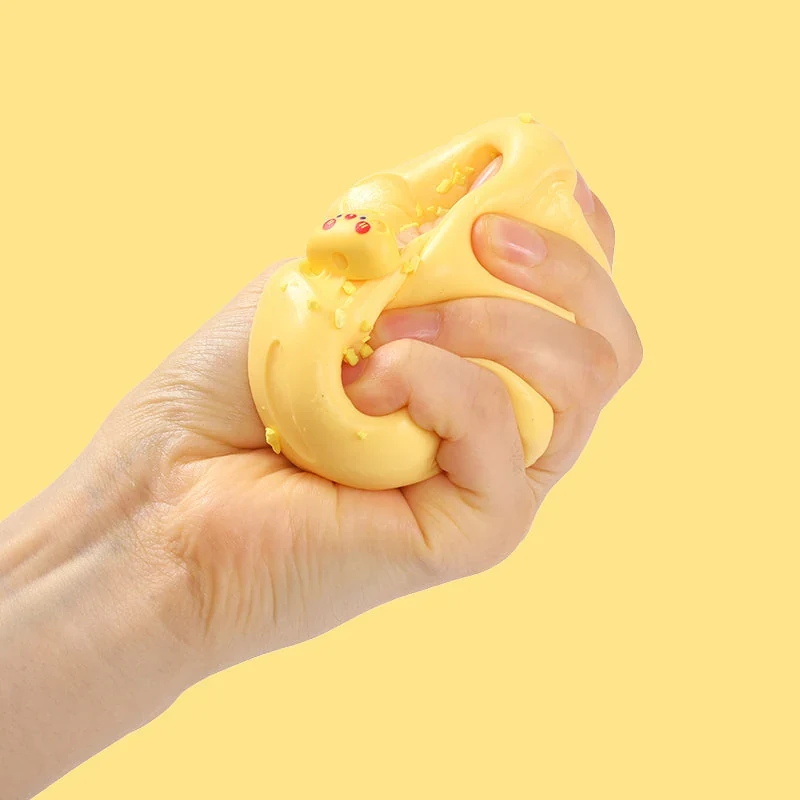
How they’re made. In one solid-body process, silicone is cast in a mold, cured, released and trimmed. In one filled construction, the manufacturer molds a hollow shell from thermoplastic rubber (TPR), adds the filling through a small opening, then seals that opening. On a filled design, the flexible shell stays on the toy and contains the filling while you squeeze it. Jinhua Nakdas on molded silicone bodies · Ruiwo Toys on molded shells, filling and sealing
Coconut oil-style squishies
The name “coconut oil squishy” often describes a glossy or translucent look and a soft, yielding feel. Some examples hold a dent for a while. The name can appear on different constructions. Puff & Squishy lists petroleum jelly as the filling in its Coconut Oil Ball. Foamylab uses the same style name for a slow-rising silicone design and attributes it to the toy’s glossy appearance. Ask for the actual material or filling if you plan to describe it in a listing. Puff & Squishy’s Coconut Oil Ball specifications · Foamylab’s coconut oil squishy guide
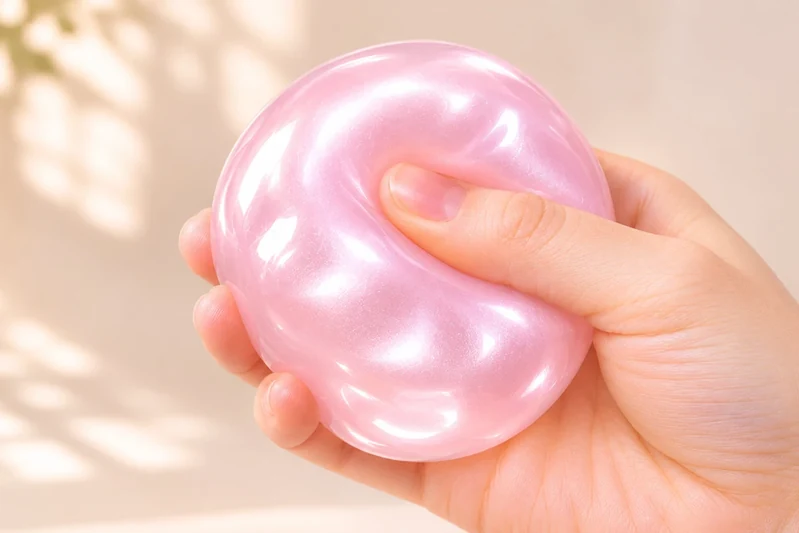
How a filled version can be made. Ruiwo describes a paste-filled construction that starts with a molded TPR shell. A dispenser feeds the paste into the shell, the filling opening is cleaned and sealed, and the seal is checked after it has set. The shell’s thickness and the paste’s consistency both affect how the toy gives under your hand. For a texture comparison, ask for a squeeze-and-release sample at the intended size. Ruiwo Toys’ paste-filled squishy production example
Maltose-filled squishies
A maltose-filled squishy has a thick maltose-based syrup or gel inside a flexible shell. The filling moves as you press, and a clear shell can make that movement visible. A small cube and a palm-sized cube can feel different even with the same filling, because the toy’s size and shell affect how much it gives under your hand.
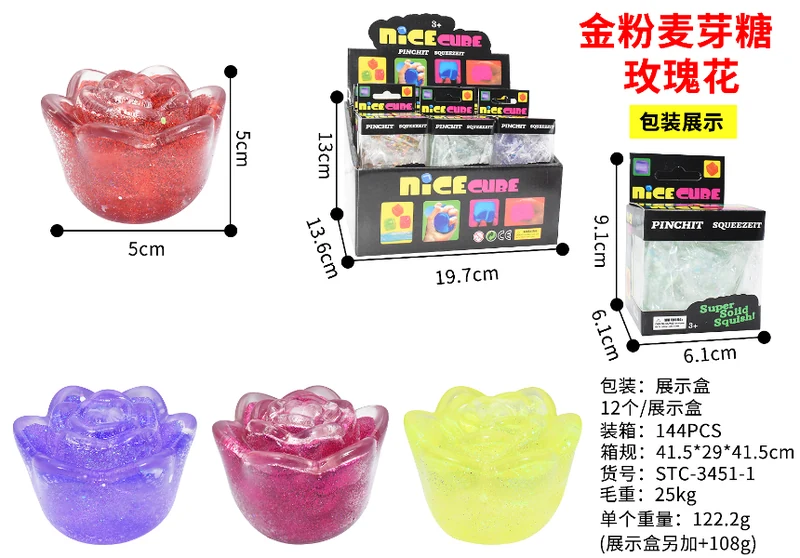
How they’re made. In Ruiwo’s published example, the factory molds the shell and removes trapped air from the syrup before using a heated pump to dispense a measured amount. The filling port is cleaned before sealing so syrup residue stays clear of the bond. The maker checks the seal after it has set. The finished sample shows how firm the toy feels and how quickly it recovers. Ruiwo Toys’ maltose and sugar-gel production example
If you’re comparing options for a shop or brand, try describing the item the way a shopper will encounter it. “A clear cube you squeeze directly, with a soft center, packed four to a box” gives your supplier a design, a feel and a retail unit to work with. For a custom cube set, share a reference and the pieces per pack so the sample can be assessed in its intended format. See Hao squash’s cube-set sourcing example

Content lead
Siying Wang
北京相变点科技有限公司
Lead of the 跃迁计划 factory export project.